

SEJournal Online is the digital news magazine of the Society of Environmental Journalists. Learn more about SEJournal Online, including submission, subscription and advertising information.
September 16, 2026
 |
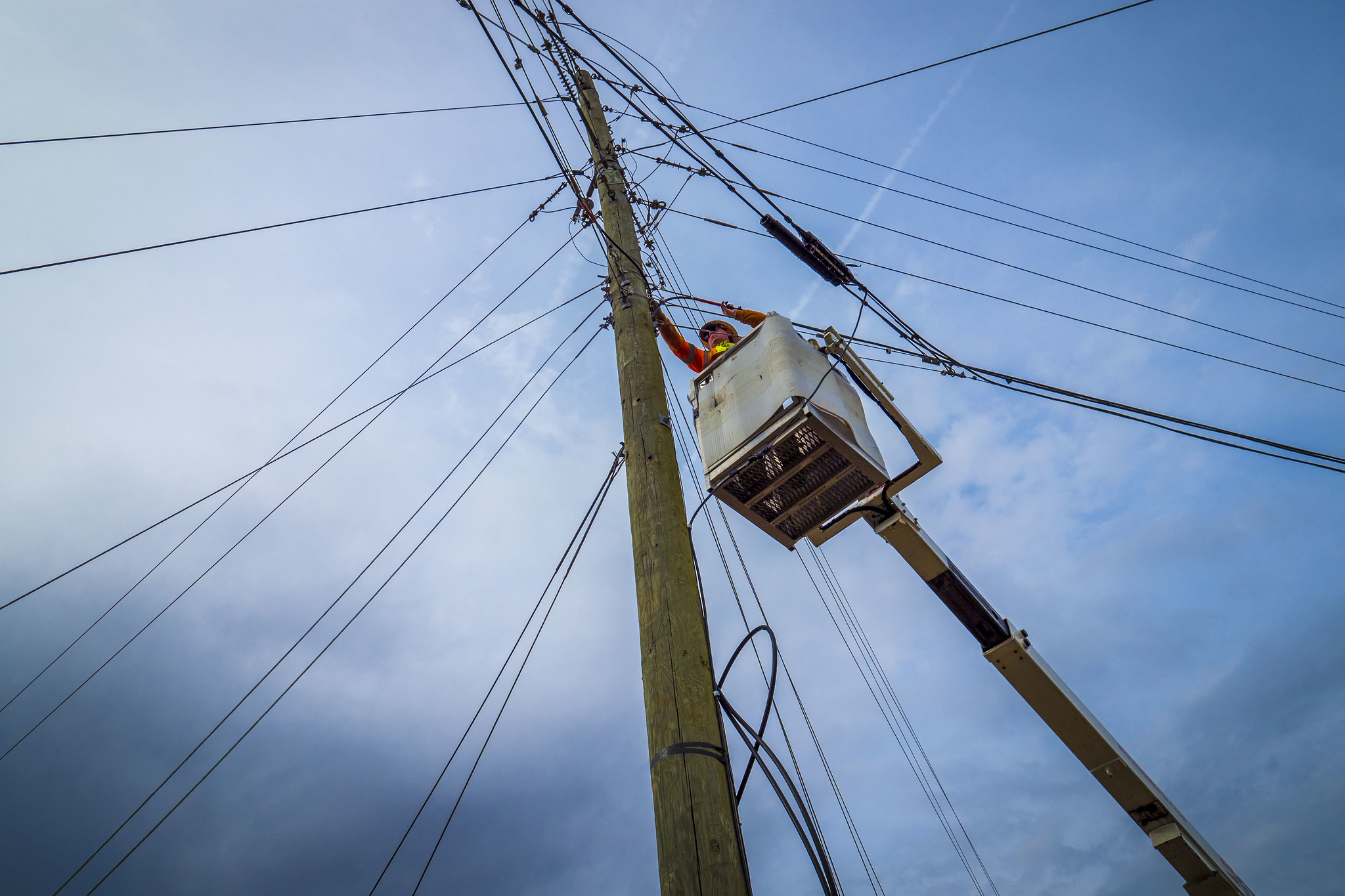 |
| Each state has a utilities regulator for its electric monopolies, but those are joined by a spider’s web of federal and regional bodies that can influence electricity prices. Photo: Department of Agriculture/Preston Keres via Flickr Creative Commons (United States government work). |
TipSheet: Electric Shadyland — the Riddle of Rising Energy Bills
By Joseph A. Davis
Environmental reporters face big challenges producing stories about rising electric rates. Yes, they are rising. No, it’s not all Donald Trump’s fault (although a lot is, as his war on Iran raises the price of gas and oil).
It’s actually far more complicated and localized than most people realize.
People actually do get their
electricity shut off for nonpayment
in the United States. The number
for 2024 is over 13 million.
And it matters because people actually do get their electricity shut off for nonpayment in the United States. The number for 2024 is over 13 million.
And having no power for air conditioning in today’s ever-hotter summers — or for electric heating in below-zero winters — can be lethal. We remember when much power went out in Texas in the winter of 2021 and caused the deaths of more than 240 people.
The backstory
Electricity rates have been a concern of some elected officials for quite a while. The Low Income Home Energy Assistance Program started back in 1981 (with earlier precursors). LIHEAP subsidizes energy for some electric and gas customers.
Even earlier, way back before Standard Oil was broken up in 1911, Americans realized they did not want to be exploited by energy monopolies.
So today, virtually every state has a public utilities commission to regulate electric monopolies and the gas monopolies that often feed them. The name may vary state by state.
Other aspects of utility regulation are under the Energy Department, the Federal Energy Regulatory Commission, the North American Electric Reliability Corporation and the cascade of regional grid operators sometimes known as independent system operators or regional transmission organizations, which do the highly technical job of balancing electric supply and demand.
This whole system was reformed by the Public Utility Regulatory Policies Act of 1978, a law that tried to benefit consumers by creating a more flexible grid at the wholesale level. It’s also the law that allows residents to sell their home solar surplus back to the grid.
Story ideas
- What are the roots of high rates in your area? Subzero cold in North Dakota creates different problems than steamy heat in New Orleans or Houston.
- Find out what the issues are at your state’s public utilities commission. Attend their meetings. In person is better than virtual because you can try to talk to the officials there.
- Get the stock filings of your local or regional utilities. Who owns them? What are their financial interests?
- Try to find residents whose power has been cut off and interview them. One approach would be to talk to local social welfare groups and agencies.
- Try to figure out who is wasting power in your area. What industries use the most power? What rates do they pay?
- Are any data centers being planned or built in your area? How will they affect the load on the grid? What rates will they pay? If they claim to supply their own power, verify that.
- Talk to the companies trying to build data centers and to the citizens opposing them. Will the issue come up at a county council or planning board? Go to their meetings, if so.
Reporting resources
- National Association of Regulatory Utility Commissioners: NARUC is a professional, lobbying and coordinating group for state commissioners.
- Utilize Coalition: A diverse grouping of “technology providers, utilities, consumer advocates, academics, researchers, regulators, and policymakers.” It includes utility voices and aims to improve electric affordability.
- PowerLines: This national, nonpartisan, nonprofit and pro-consumer organization advocates for reform of the energy regulatory system.
- Federal Energy Regulatory Commission: FERC regulates the interstate electricity and gas markets.
- North American Electric Reliability Corporation: NERC tries to balance wholesale electric supply and demand, preventing blackouts.
- Edison Electric Institute: The lobbying organization for the privately owned electric utilities. It mostly argues for the utilities’ economic interests.
- Low Income Home Energy Assistance Program: Subject to congressional appropriation, LIHEAP helps people keep their electricity from being shut off. It also funds home weatherization.
- Energy Information Administration: The EIA, a federal agency, produces a huge amount of pretty reliable data about all aspects of the energy economy. It’s supposed to be independent and objective.
[Editor’s Note: For more on the topic, visit our energy topic on the beat page, with more than three dozen energy-related stories, including data resources and reporting on data centers, plus energy headlines from EJToday.]
Joseph A. Davis is a freelance writer/editor in Washington, D.C. who has been writing about the environment since 1976. He writes SEJournal Online's TipSheet, Reporter's Toolbox and Issue Backgrounder, and curates SEJ's weekday news headlines service EJToday and @EJTodayNews. Davis also directs SEJ's Freedom of Information Project and writes the WatchDog opinion column.
* From the weekly news magazine SEJournal Online, Vol. 11, No. 32. Content from each new issue of SEJournal Online is available to the public via the SEJournal Online main page. Subscribe to the e-newsletter here. And see past issues of the SEJournal archived here.
SEJ Publication Types:
Topics on the Beat:
Region:
Visibility: